
Your step-by-step guide to successfully applying for your first French residence permit.
Welcome to France! If you’re planning to stay long-term, obtaining a titre de séjour (residence permit) is crucial. The first step in this process is understanding and utilizing the Administration Numérique pour les Étrangers en France (ANEF) portal. This online platform is where you’ll initiate your application for a première demande titre de séjour (first residence permit).
The ANEF portal centralizes the application process, reducing the need for in-person visits to the préfecture (local government office). You’ll create an account, complete the online application form, and upload required documents. It’s essential to provide accurate and complete information to avoid delays or rejection of your application. Familiarize yourself with the portal’s interface and navigation before starting your application. The French government provides guides and tutorials, usually in French, but you can often find English translations or explanations on dedicated expat websites and forums. This digital transformation aims to streamline the process, but it’s important to be patient and meticulous.
Be aware that the ANEF portal can sometimes experience technical difficulties due to high traffic. If you encounter issues, try accessing the portal at different times of the day or using a different browser. Keep screenshots of your progress and any error messages you receive, as these can be helpful if you need to contact the prefecture for assistance.
Before starting your online application, meticulously gather all the required documents. The specific documents vary depending on the type of residence permit you’re applying for (e.g., student, employee, family member of a French citizen). However, some documents are generally required for all first-time applications. These typically include:
Ensure that all documents are valid and translated if necessary. Keep copies of all documents for your records. The prefecture may request additional documents during the application process, so be prepared to provide them promptly. Check the official website of your local prefecture for a comprehensive list of required documents specific to your situation. Missing or incomplete documents are a common cause of application delays.
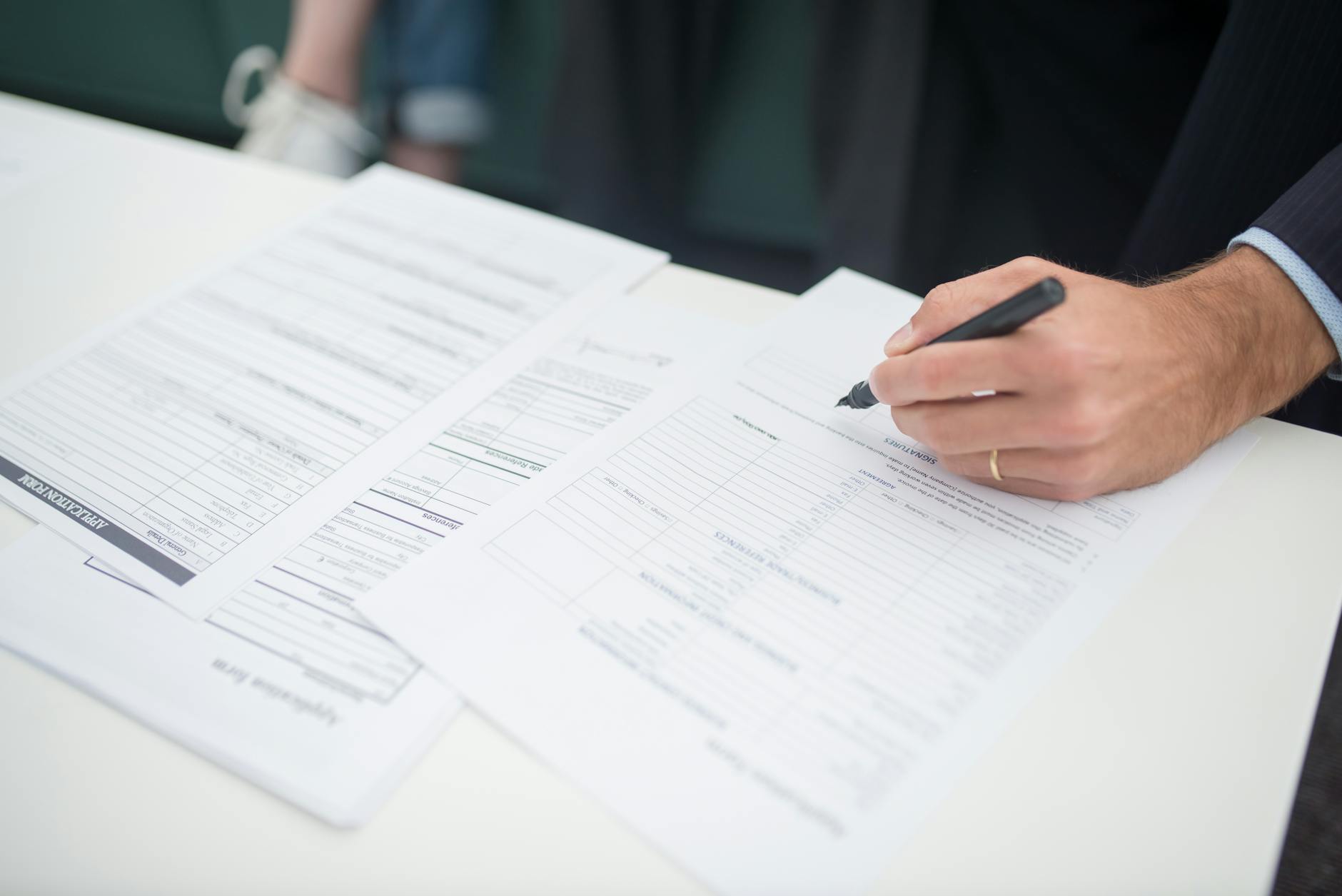

Once you’ve submitted your application through the ANEF portal, you’ll likely need to schedule an appointment (RDV préfecture) at the prefecture to submit your physical documents and potentially have an interview. The availability of appointments can be limited, and booking slots can fill up quickly. This is where appointment alert services can be incredibly helpful.
These services monitor the prefecture’s online appointment system and send you notifications when a slot becomes available. This can save you hours of repeatedly checking the website yourself. While some services are free, others may charge a fee for their premium features. Research and choose a reputable service that suits your needs. Be prepared to act quickly when you receive an alert, as available slots are often claimed within minutes.
If you are unable to find an appointment through the official channels or appointment alert services, consider contacting your prefecture directly to inquire about alternative options. Some prefectures may have a waiting list or offer appointments on a case-by-case basis. Persistence and proactive communication can sometimes help you secure an appointment sooner.
At your prefecture appointment, you will formally submit your dossier (application file) to the authorities. Ensure that all your original documents and copies are neatly organized. Be prepared to answer questions about your application and your plans in France. Dress professionally and arrive on time for your appointment.
After submitting your dossier, you’ll receive a récépissé (receipt), which serves as temporary proof of your legal residency while your application is being processed. The récépissé usually has an expiration date, and you’ll need to renew it if your application is still pending when it expires. Keep your récépissé safe, as you’ll need it for various administrative tasks, such as opening a bank account or applying for social security.
The processing time for residence permit applications can vary depending on the prefecture and the type of permit. You can usually track the progress of your application online through the ANEF portal. If you haven’t received a decision within a reasonable timeframe, don’t hesitate to contact the prefecture to inquire about the status of your application. Be polite and patient when communicating with the authorities.
Applying for a titre de séjour can be complex, and it’s easy to make mistakes. Here are some common pitfalls to avoid:
To avoid these pitfalls, take your time, be organized, and seek assistance if needed. Numerous resources are available to help you navigate the application process, including expat associations, legal professionals, and online forums. Don’t hesitate to reach out for support if you’re feeling overwhelmed.
Key Takeaways